Weaving Viewer Votes into Narrative Branches for Choose-Your-Own-Adventure Style Playthroughs
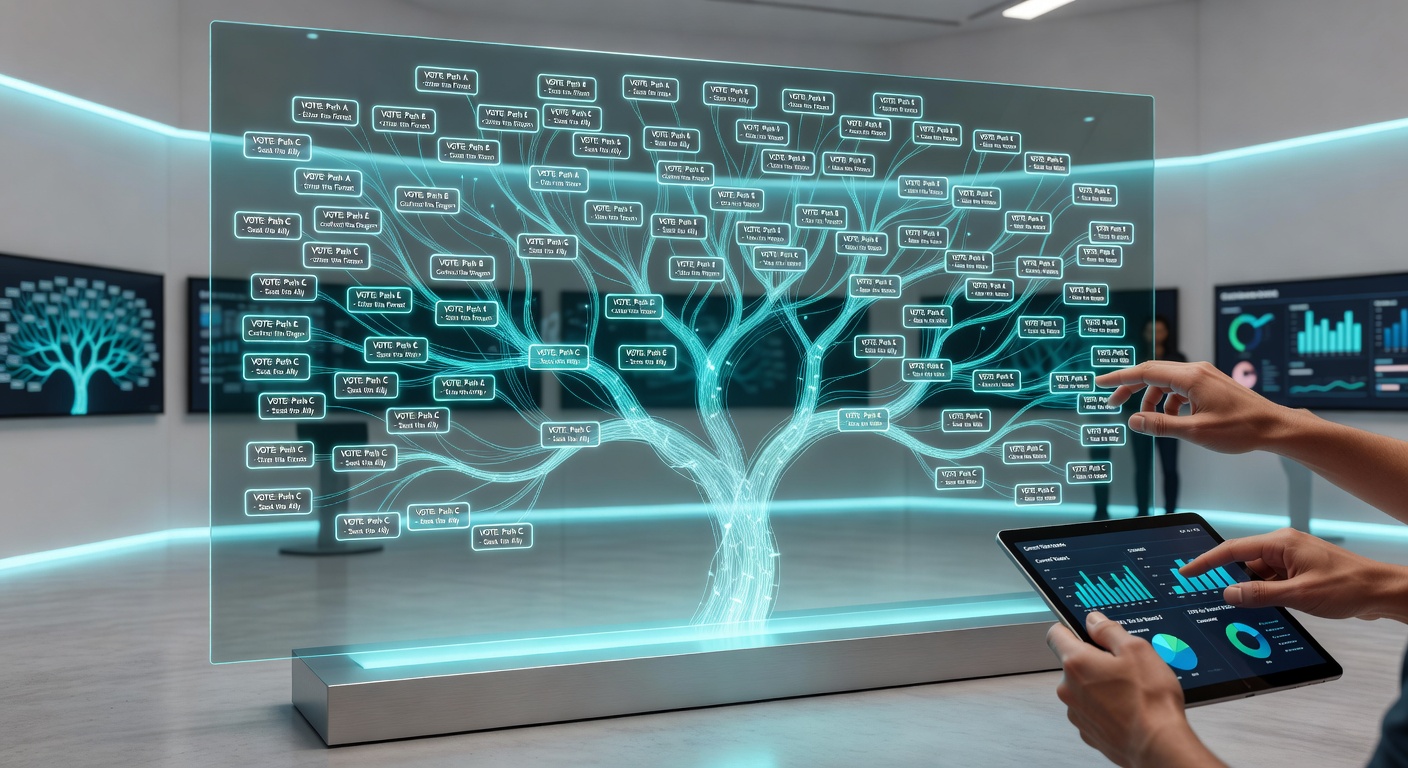
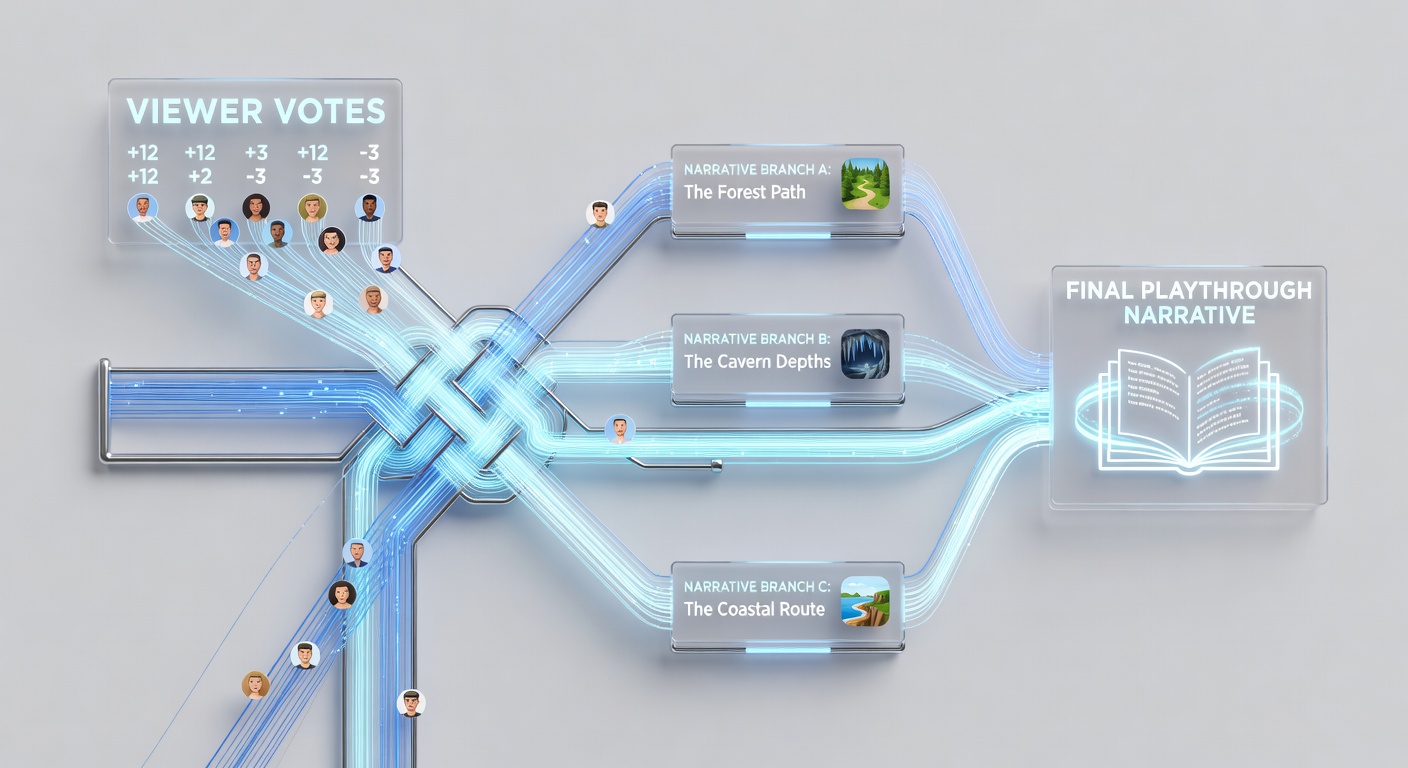
Broadcasters have integrated viewer voting systems into choose-your-own-adventure playthroughs for years, and data from industry reports shows these mechanics sustain longer session times across platforms. The process starts when a streamer pauses at decision points in games like those built with Twine or custom Unity engines, then routes poll results directly into the narrative engine so the selected branch loads without manual intervention. Viewers submit choices through chat commands, dedicated web overlays, or integrated apps that tally votes in real time, and the system updates the story tree accordingly. Developers connect these voting layers to game scripts using APIs that map poll outcomes to specific variables, allowing multiple endings to branch based on cumulative viewer input rather than single decisions. Research from the Entertainment Software Association indicates that interactive content featuring audience participation saw a 34 percent rise in concurrent viewers between 2024 and 2025, with choose-your-own-adventure formats contributing significantly to that growth. Streamers often preload several narrative paths in advance, which reduces latency when votes finalize and keeps the broadcast flowing smoothly.Technical Implementation of Voting Mechanics
Platforms rely on browser source plugins within streaming software to display live polls while the game runs in the background, and these tools pull vote data from services that handle thousands of simultaneous inputs without lag. When a majority emerges within a set time window, the software triggers the corresponding scene file or script command, advancing the story along the chosen path. Observers note that robust error handling prevents dead ends if votes tie, defaulting instead to a preselected neutral branch that maintains narrative momentum.
Some creators layer additional rules where minority choices unlock hidden side content later, encouraging repeat participation across multiple streams. Data shows these layered systems increase chat activity by measurable margins, as viewers return to see how their earlier votes shaped outcomes. Integration with hardware like custom controllers further allows streamers to test branches offline before going live, ensuring technical stability during high-traffic sessions.
Audience Engagement Patterns and Platform Data
 Engagement metrics reveal that sessions incorporating viewer-driven branches attract broader demographics than linear playthroughs, particularly among younger audiences who value direct influence over story direction. In May 2026 several platforms rolled out updated polling APIs that support weighted voting based on viewer tenure, which rewards consistent participants with amplified input during critical plot junctures. Studies from Australian research institutions tracking live interactive media found that such weighting mechanisms reduced drop-off rates by nearly 20 percent compared to equal-vote systems. Streamers schedule these events during peak hours to maximize vote volume, and they often seed teaser polls hours ahead on social channels to build anticipation. The resulting data feeds back into analytics dashboards that highlight which branches retained the largest audiences, informing future narrative design. Those who manage these productions report that clear communication of rules at the start prevents confusion when votes shift the story in unexpected directions.
Case Examples from Recent Broadcasts
One production team adapted a classic text adventure into a live format where chat votes determined character alliances, leading to divergent endings across a four-week series. Another group used a commercial engine extension to sync viewer input with 3D environments, allowing camera angles and dialogue options to change based on poll results. These examples demonstrate how the underlying architecture scales from simple binary choices to complex multi-variable trees without requiring extensive custom coding each time.
Industry organizations tracking digital entertainment trends have documented similar experiments across regions, noting that European developers frequently combine voting layers with localization tools so international audiences participate seamlessly. The approach keeps production costs manageable while expanding reach, since existing narrative assets get reused across different vote paths.
Future Developments Projected for 2026 and Beyond
Advancements in cloud rendering services enable more complex visual branches to load instantly once votes conclude, reducing the downtime that previously interrupted immersion. Researchers continue examining how machine learning models predict popular choices based on early poll trends, which could allow preemptive loading of likely scenes. By late May 2026 several platforms introduced beta features for persistent viewer profiles that carry influence across separate playthroughs, creating ongoing narrative universes shaped by community consensus over months.
These systems also incorporate accessibility options such as voice input for polls and simplified interfaces for mobile participants, broadening the pool of active voters. Reports compiled by Canadian gaming research groups emphasize that transparent data handling remains essential, as audiences respond positively when vote processing methods stay visible and verifiable.
Conclusion
Viewer voting woven into narrative branches transforms passive viewing into collaborative storytelling that adapts in real time to collective input. Technical tools continue evolving to support larger scale interactions, while engagement data guides refinements that keep audiences invested across extended series. As platforms introduce new features in 2026, the core loop of vote collection, branch selection, and story advancement stays central to these choose-your-own-adventure broadcasts, delivering measurable interaction benefits documented across multiple industry sources.