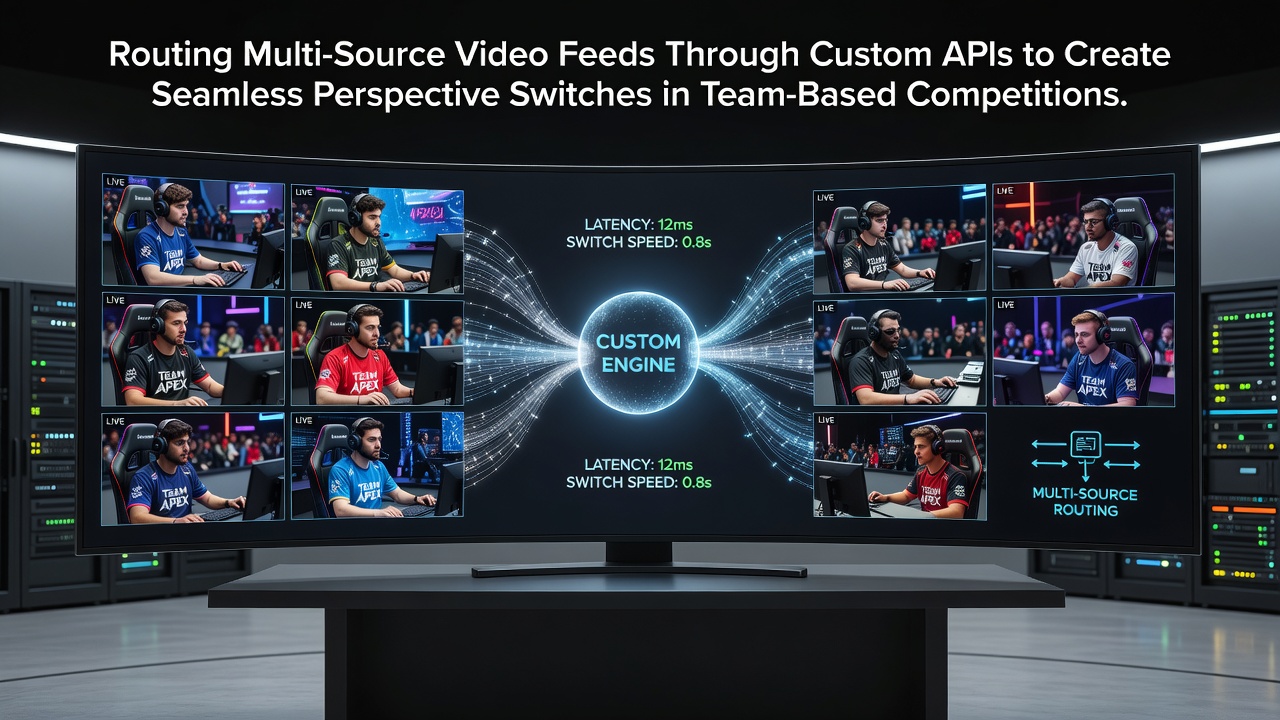
Routing Multi-Source Video Feeds Through Custom APIs to Create Seamless Perspective Switches in Team-Based Competitions
Teams in competitive environments rely on multiple camera angles and player perspectives to deliver complete coverage during matches, and developers route these video feeds through custom APIs that handle synchronization and switching without visible interruptions. Data from industry reports indicate that such systems process feeds from sources including player screens, spectator drones, and arena cameras, then deliver them to viewers via protocols that support low-latency transitions. Observers note that these setups appear in esports titles where team coordination demands rapid shifts between first-person views and overhead maps, while similar approaches extend to traditional team sports broadcasts that incorporate wearable cameras on athletes.
Core Technical Components
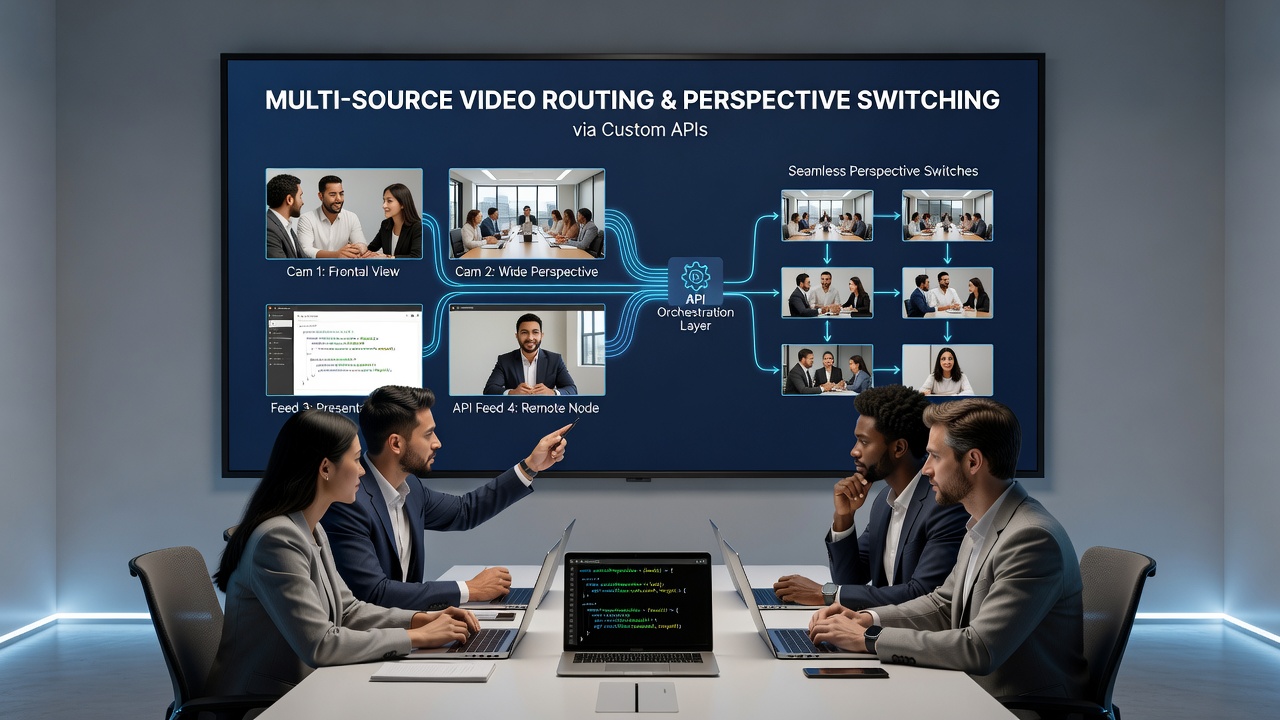
Custom APIs manage the ingestion of multiple video streams by assigning unique endpoints to each source, then apply timestamp alignment algorithms that keep frames synchronized across feeds even when network conditions vary. Researchers at technical institutions have documented methods that combine WebRTC for initial transport with proprietary routing layers to prioritize bandwidth allocation during high-demand moments like overtime periods or critical plays. Those who implement these systems often integrate containerized services that scale endpoints dynamically, allowing operators to add or remove camera sources mid-event without restarting the pipeline. In August 2026 several platforms adopted updated API specifications that standardize metadata tagging for perspective metadata, which simplifies integration across different competition organizers.
Implementation Patterns in Practice
Developers build routing logic that triggers switches based on predefined rules, such as proximity sensors detecting player positions or manual director inputs from production booths. One documented case involves a professional league that deployed an API layer to blend feeds from five separate player clients into a single viewer stream, achieving transition times under 50 milliseconds according to internal performance logs. Another setup uses machine learning models trained on historical match data to predict optimal switch points, then executes those switches through API calls that adjust encoding parameters on the fly. Figures from academic studies reveal that such predictive routing reduces viewer drop-off during extended team battles by maintaining visual continuity across changing perspectives.
Integration with Existing Broadcasting Infrastructure
Broadcasting software accepts API outputs through standardized plugins that convert routed streams into formats compatible with content delivery networks. Teams coordinate these integrations by establishing shared authentication tokens that secure feed access while permitting real-time adjustments from multiple production stations. Data from European research consortia shows that combining API-driven routing with edge computing nodes located near competition venues cuts overall latency by 30 percent compared with centralized processing alone. Observers note that this approach allows smaller production crews to manage complex multi-perspective coverage that previously required larger on-site teams and dedicated hardware switchers.
Challenges and Mitigation Strategies
Network variability presents ongoing difficulties because packet loss on one feed can desynchronize the entire composite stream, prompting developers to implement redundant routing paths that automatically failover when primary endpoints report errors. Security considerations require encryption of all API traffic plus role-based access controls that prevent unauthorized parties from altering switch logic during live events. Studies conducted by Australian universities on multi-stream systems highlight that buffer management techniques help maintain seamlessness even when individual sources experience temporary bandwidth constraints. Those who manage these platforms emphasize regular stress testing against simulated peak loads that mirror tournament finals, which helps identify bottlenecks before they affect actual broadcasts.
Emerging Standards and Future Directions
Industry groups continue to refine protocols that support greater numbers of simultaneous feeds while preserving the low-latency characteristics essential for competitive viewing. Research indicates that upcoming API enhancements will incorporate adaptive bitrate algorithms tailored specifically to team-based scenarios where viewer attention shifts rapidly between different participants. Collaboration between hardware vendors and software developers has produced reference implementations that teams can deploy quickly, reducing the custom coding previously required for each new competition format. Data collected through 2026 deployments shows measurable improvements in viewer retention metrics when seamless perspective routing replaces traditional single-feed approaches.
Conclusion
Routing multi-source video feeds through custom APIs enables production teams to deliver fluid perspective changes that enhance audience understanding of team dynamics during competitions. Technical implementations continue to evolve through standardized protocols and performance optimizations that address synchronization, latency, and scalability requirements. As more organizers adopt these methods, the infrastructure supporting team-based events gains capacity for richer visual storytelling without sacrificing responsiveness.