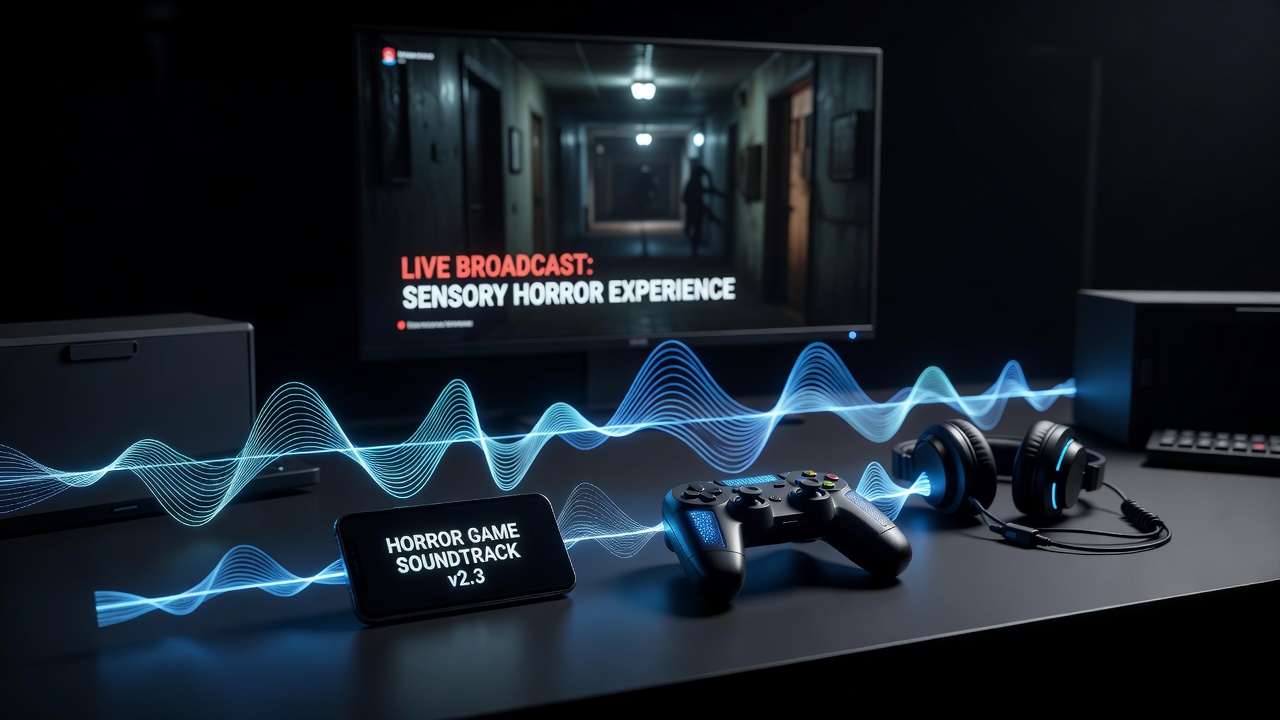
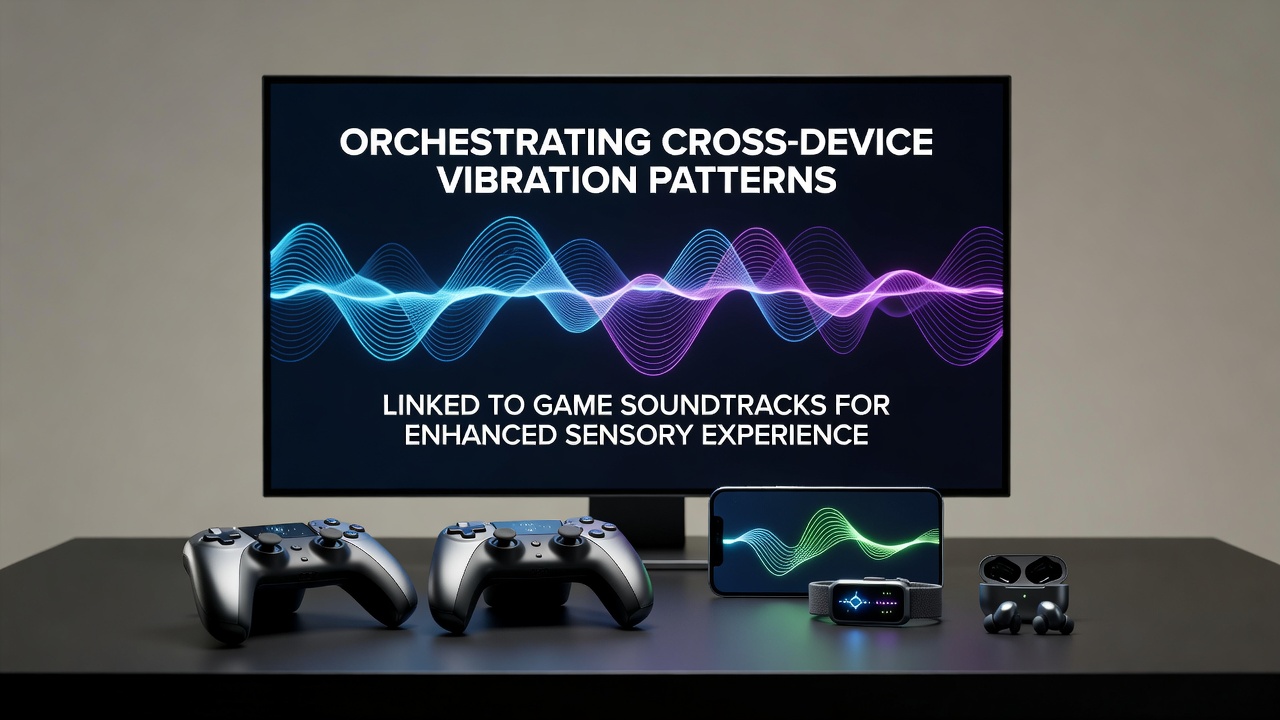
Orchestrating Cross-Device Vibration Patterns Linked to Game Soundtracks for Enhanced Sensory Experiences in Horror Genre Broadcasts
Developers and broadcasters have begun integrating vibration systems across smartphones, game controllers, and wearable devices to align with audio cues from horror game soundtracks, creating layered sensory feedback that viewers experience in real time during live streams. This approach relies on software that translates sound frequencies into haptic signals, allowing low-frequency rumbles to trigger controller motors while higher tones activate phone vibrations at precise moments.
Core Technologies Behind the Synchronization
Engineers use application programming interfaces from major platforms to map audio waveforms directly to device actuators, and research from institutions such as the University of Waterloo in Canada demonstrates how these mappings maintain timing accuracy within 20 milliseconds across distributed hardware. Broadcasters configure dedicated apps that listen to game audio tracks then dispatch commands over local networks or cloud services, ensuring that when a soundtrack builds tension with rising strings or sudden impacts, connected devices respond in coordinated sequences rather than isolated bursts.
Systems often combine multiple protocols including Bluetooth Low Energy for wearables alongside USB connections for controllers, which allows a single stream setup to orchestrate responses without noticeable lag. Data from industry reports produced by the European Games Developer Federation shows adoption rates climbing steadily as hardware manufacturers embed stronger actuators in consumer devices.
Application in Horror Genre Broadcasts
Horror titles lend themselves to this technique because their soundtracks frequently employ dynamic layers that shift between ambient drones and sharp stingers, providing clear markers for vibration events. Streamers route the game audio through analysis software that detects amplitude thresholds then triggers device-specific patterns, such as pulsing a smartwatch during sustained tension or delivering staccato bursts on a phone during chase sequences. Viewers who opt in through companion apps receive these signals on their own hardware while watching, extending the broadcast experience beyond visual and auditory channels alone.
Implementation Steps for Broadcasters
Setup begins with selecting compatible hardware that supports programmable vibration profiles, followed by calibration sessions where developers test latency across different device models. Software tools parse soundtrack stems in advance or analyze live mixes, assigning vibration intensities based on frequency bands so that bass-heavy moments engage larger motors while treble elements use lighter tactile motors. Broadcasters then publish participation links that allow audiences to join the haptic network, with servers handling concurrent connections during peak viewing periods.
Testing protocols include running full playthroughs while monitoring synchronization logs, and adjustments ensure patterns do not overwhelm quieter scenes or conflict with in-game controller feedback already present. Partnerships with audio middleware companies provide pre-built libraries that simplify the mapping process for titles released after mid-2025.
Viewer Engagement Data and Platform Support
Analytics platforms record higher retention when haptic options are active, with session lengths extending notably during extended horror marathons according to figures released by the Interactive Games and Entertainment Association in Australia. Platforms such as Twitch and YouTube have introduced experimental APIs that let streamers embed haptic triggers within their broadcast overlays, reducing the technical barrier for creators who want to offer these experiences without custom backend development.
Viewers report connecting multiple devices simultaneously, and system logs indicate average participation involving at least two hardware pieces per session when the option appears during promotional segments.
Challenges in Cross-Device Coordination
Differences in actuator strength and response curves across manufacturers require per-device calibration profiles that broadcasters maintain through regular updates. Network variability can introduce jitter when viewers connect over mobile data rather than Wi-Fi, prompting developers to implement buffering algorithms that prioritize timing fidelity over perfect pattern matching. Security considerations also arise when apps request device control permissions, leading companies to adopt sandboxed execution environments that limit vibration commands to approved frequency ranges.
Developments Expected by June 2026
By June 2026 hardware vendors plan wider support for standardized haptic description languages, which would let broadcasters author patterns once then deploy them across new device generations without rewriting integration code. Early demonstrations at industry events have showcased unified dashboards that combine audio analysis, device discovery, and real-time monitoring into single interfaces, streamlining workflows that previously required separate tools for each component.
Conclusion
Cross-device vibration orchestration tied to horror soundtracks continues to expand the sensory palette available to broadcasters and their audiences. As synchronization tools mature and hardware support broadens, the technique moves from experimental feature toward standard production element in live horror streams, supported by ongoing research and platform-level integrations that keep timing precise across varied viewer setups.