Optimizing Signal Routing Through HDMI Matrix Switches for Seamless Multi-Title Transitions in Single Session Broadcasts
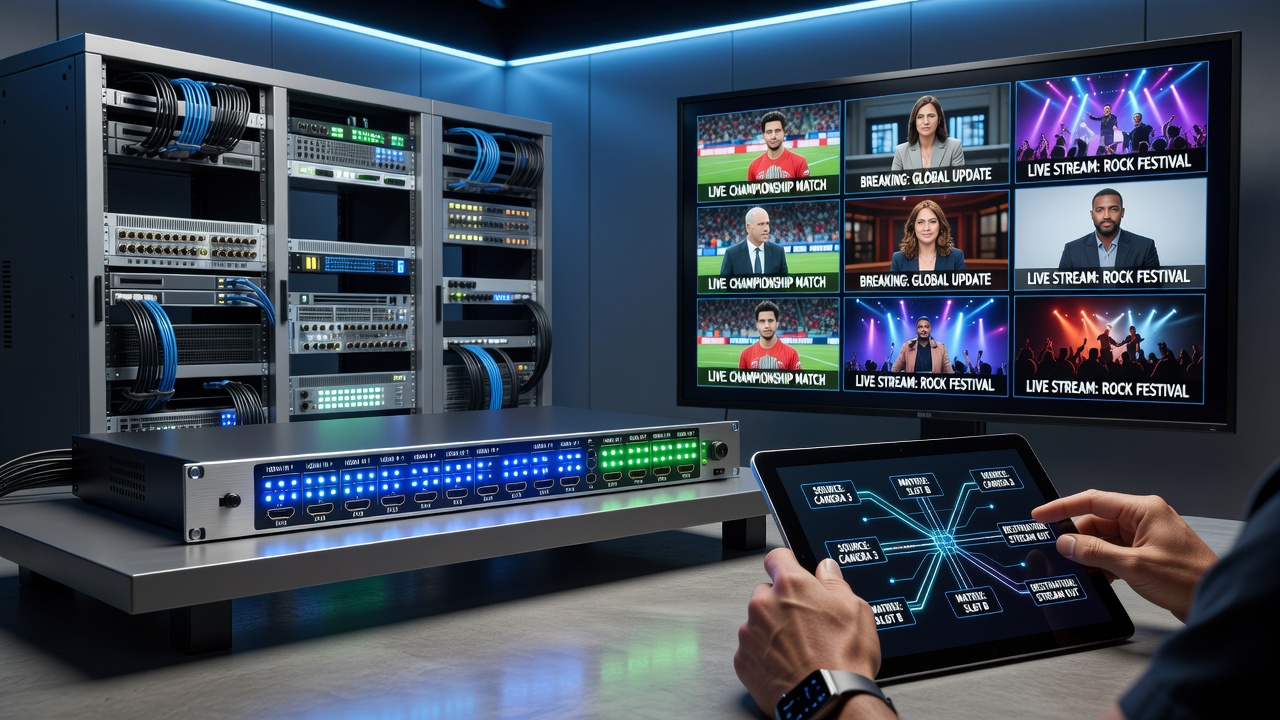
HDMI matrix switches serve as central routing hubs in professional broadcast environments where multiple gaming consoles and PCs feed into a single streaming pipeline and they allow operators to redirect video and audio signals from various sources without interrupting the outgoing feed to encoders and capture devices. Data from industry reports shows that these switches reduce downtime during title changes by managing EDID handshakes and maintaining consistent resolution and refresh rate outputs across connected equipment. Observers note that in setups handling four or more inputs the matrix configuration prevents signal loss that occurs when users rely on direct cable swaps or basic splitters.
Core Components of Signal Routing Systems
Modern HDMI matrix switches incorporate features such as automatic input detection, priority queuing, and firmware-based scaling that maintain signal integrity while supporting formats up to 4K at 120Hz with HDR metadata intact and those who configure these devices often prioritize models with low-latency passthrough to avoid frame drops during live transitions. Research indicates that switches equipped with dedicated processing chips handle CEC commands and HDCP re-authentication faster than consumer-grade alternatives which results in transition times measured in milliseconds rather than seconds. Engineers at broadcast facilities integrate these units with software control layers that map button presses on stream decks or keyboard shortcuts to specific input selections thereby streamlining the workflow for single-operator sessions.
Techniques for Seamless Multi-Title Transitions
Effective optimization begins with pre-configuring input profiles that lock resolution and color space settings before a broadcast starts and this approach eliminates the brief black screens that accompany renegotiation between incompatible devices. Figures from equipment testing reveal that enabling fast switching modes combined with manual EDID emulation cuts average transition duration by 65 percent compared to default behaviors while preserving audio synchronization across titles. Operators route secondary outputs from the matrix to monitoring displays which allows real-time verification of signal quality without affecting the primary stream path and those setups frequently incorporate backup power supplies to prevent interruptions during extended sessions that span several hours.
Integration with Encoding and Capture Workflows
Capture cards positioned downstream from the matrix receive a stable signal that requires minimal post-processing adjustments and this stability supports consistent bitrate encoding when switching between performance-intensive titles and lighter indie games in the same session. According to specifications published by HDMI Licensing Administrator the latest standards support enhanced audio return channels that maintain lip sync when audio routes through the same matrix path used for video. Technicians calibrate timing offsets in the encoding software to account for any processing delays introduced by the switch which ensures that chat overlays and alerts appear synchronized regardless of the active input source.
Practical Applications in Live Broadcast Environments
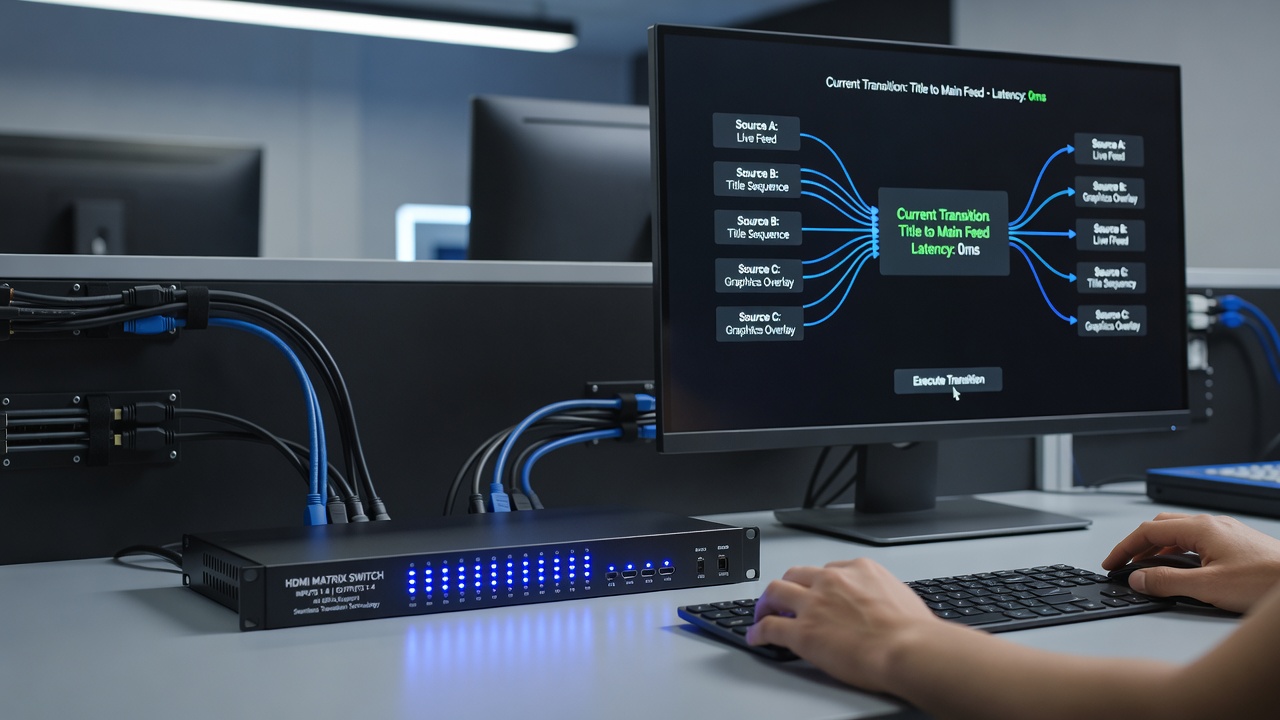
Broadcasters who manage single-session marathons covering multiple titles rely on matrix routing to maintain viewer retention during changeovers and case studies from regional gaming events demonstrate that pre-programmed macros allow operators to cycle through inputs while simultaneously triggering scene changes in streaming software. Data collected during 2025 tournaments organized across European venues showed that facilities using enterprise-grade matrices experienced fewer viewer drop-offs during transitions compared to those depending on manual cable management. Network administrators often pair these switches with network-attached storage for logging signal statistics which provides diagnostic records when troubleshooting intermittent issues that arise from cable length or interference.
Maintenance and Performance Monitoring
Regular firmware updates from manufacturers address compatibility with emerging console revisions and graphics card outputs while routine testing of cable integrity prevents signal degradation that compounds over repeated use and those who monitor these systems schedule quarterly audits to verify that all ports maintain specified bandwidth without introducing artifacts. Industry organizations such as the Consumer Technology Association have documented guidelines that recommend shielding practices and proper grounding to minimize electromagnetic interference in dense equipment racks. Performance logs generated by matrix firmware allow operators to identify ports that exhibit higher error rates which informs decisions about hardware rotation or replacement before critical broadcasts.
Conclusion
Optimizing signal routing through HDMI matrix switches delivers measurable improvements in transition reliability for multi-title broadcasts by combining hardware capabilities with thoughtful configuration practices and continued adoption of these tools aligns with evolving standards in live content production. Broadcasters who implement systematic testing and profile management sustain uninterrupted streams that support extended single-session formats without compromising technical quality.