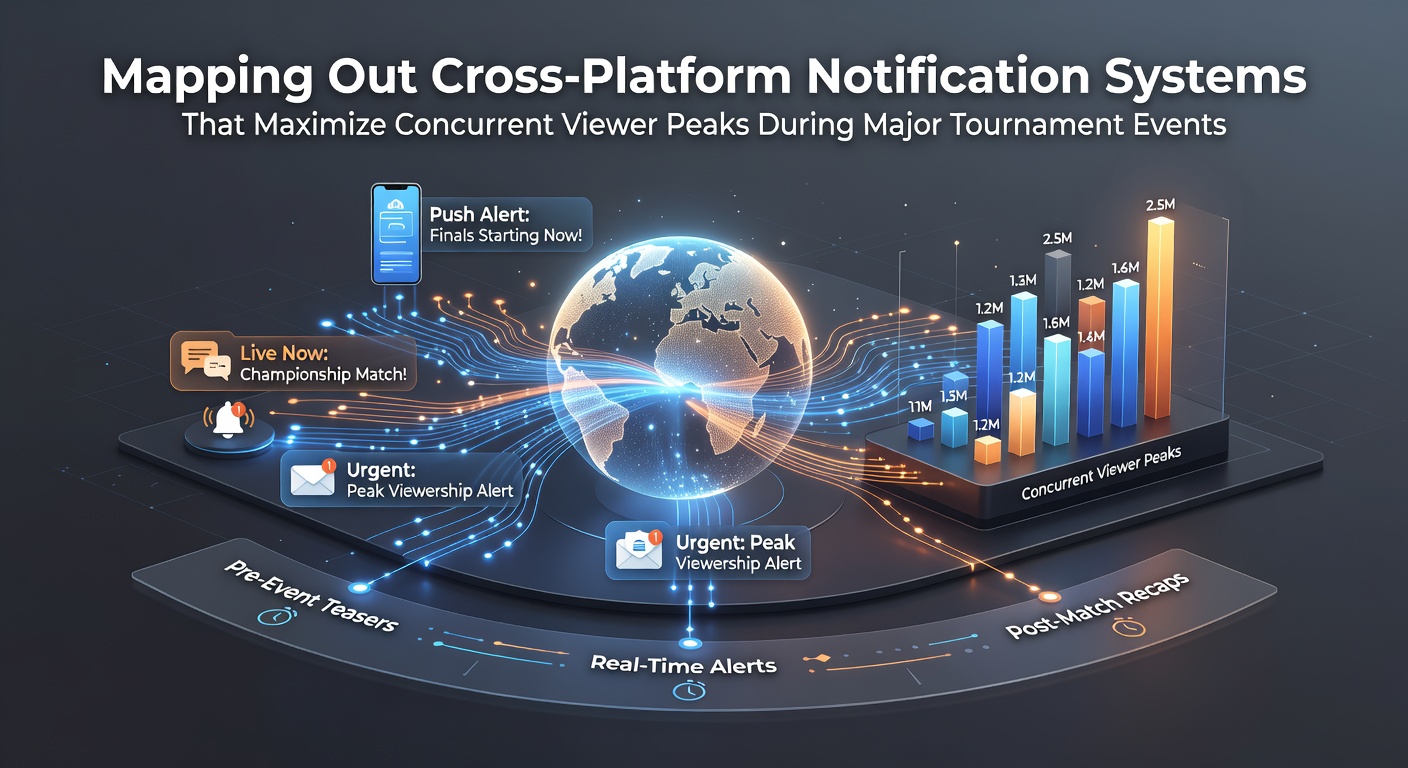
Mapping Out Cross-Platform Notification Systems That Maximize Concurrent Viewer Peaks During Major Tournament Events
Cross-platform notification systems coordinate alerts across streaming services, social apps, and mobile push channels to drive audience surges at key moments during major tournaments, and these setups rely on synchronized timing data that researchers have tracked through multiple event cycles. Observers note that platforms like Twitch, YouTube Gaming, and Kick each maintain distinct notification APIs while third-party tools merge them into unified campaigns that trigger based on real-time viewer metrics and schedule buffers.
Core Components of Notification Mapping
Systems begin with centralized dashboards that pull scheduling data from tournament organizers then route customized messages through platform-specific endpoints, so a single alert about an upcoming match can appear as a Twitch notification, a YouTube community post, and a Discord role ping within seconds of each other. Data from industry reports shows that staggered delays of thirty to ninety seconds between channels prevent audience overlap while sustaining momentum across devices, and integration layers often incorporate machine-learning models that adjust send times according to historical peak patterns for similar events.
Timing Strategies That Capture Viewer Spikes
Analysts have documented how pre-event notifications sent two hours before a match generate baseline interest while last-minute reminders issued fifteen minutes prior convert that interest into concurrent logins, and these sequences become especially effective when combined with geo-targeted segments that account for regional time zones. During preparations for the major tournament circuit in May 2026, organizers synchronized notifications with live countdown overlays that appeared simultaneously on multiple services, which produced measurable lifts in concurrent viewers according to platform telemetry shared at industry conferences. Teams further refine these windows by monitoring drop-off rates from earlier alerts and reallocating subsequent messages to underperforming channels.
Platform Integration Examples
One widely adopted configuration links Twitch event notifications directly to YouTube premiere reminders through shared metadata feeds, while Discord bots relay the same information to private server channels that subscribers have opted into, and this multi-layer approach allows organizers to reach both casual followers and dedicated community members without duplicating effort. Mobile push services add another vector by delivering vibration-based alerts that bypass browser tabs, which proves useful for audiences who follow tournaments on the go rather than through desktop streams. Research indicates that campaigns incorporating all four channels achieve higher retention into the opening minutes of matches compared with single-platform efforts alone.
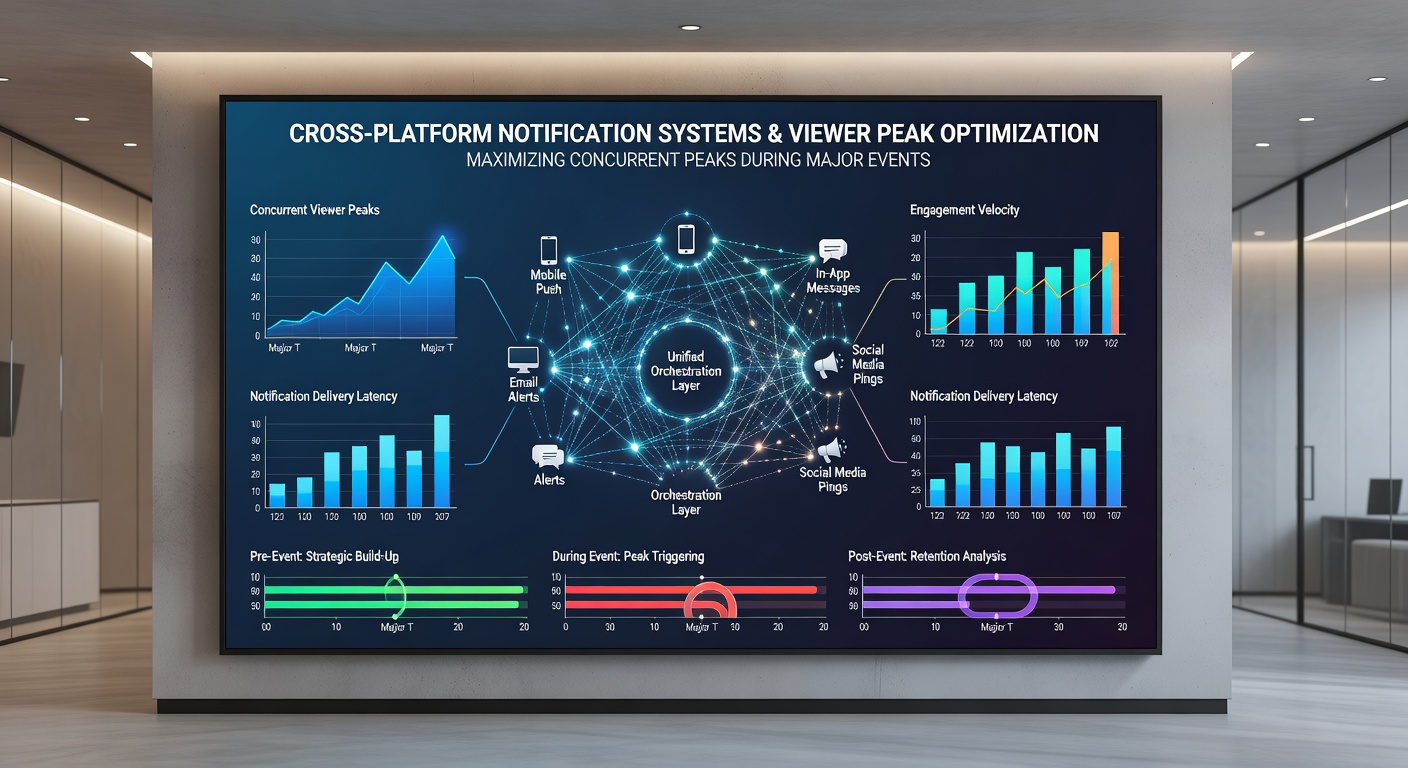
Data Tracking and Adjustment Loops
Real-time dashboards collect click-through rates, login timestamps, and concurrent viewer counts from each platform then feed those figures into adjustment algorithms that decide whether to send follow-up notifications or pause further outreach. Figures from the Newzoo Esports Report reveal that iterative testing across successive tournament days can improve peak alignment by double-digit percentages when teams respond quickly to underperforming segments. Observers note that privacy-compliant data sharing agreements between platforms enable this level of coordination without exposing individual user identities.
Regional Variations in System Deployment
European tournament organizers frequently incorporate additional compliance checks drawn from the Interactive Software Federation of Europe guidelines, which influence how notification frequency and content are calibrated for different member states, whereas North American and Asia-Pacific teams emphasize speed-to-delivery metrics that favor automated scripting over manual review. In both cases the underlying mapping remains similar, yet the weighting of each channel shifts according to local audience platform preferences that have been quantified through repeated event measurements.
Conclusion
Mapping cross-platform notification systems requires continuous calibration of timing, content, and delivery channels to align with documented viewer behavior patterns during major tournament events, and the resulting structures deliver measurable increases in concurrent peaks when executed consistently. Organizers who maintain flexible adjustment loops and respect platform-specific constraints position themselves to capture audience attention at the moments that matter most.