Harnessing Real-Time Translation Tools for Global Audience Expansion in Esports Discussions
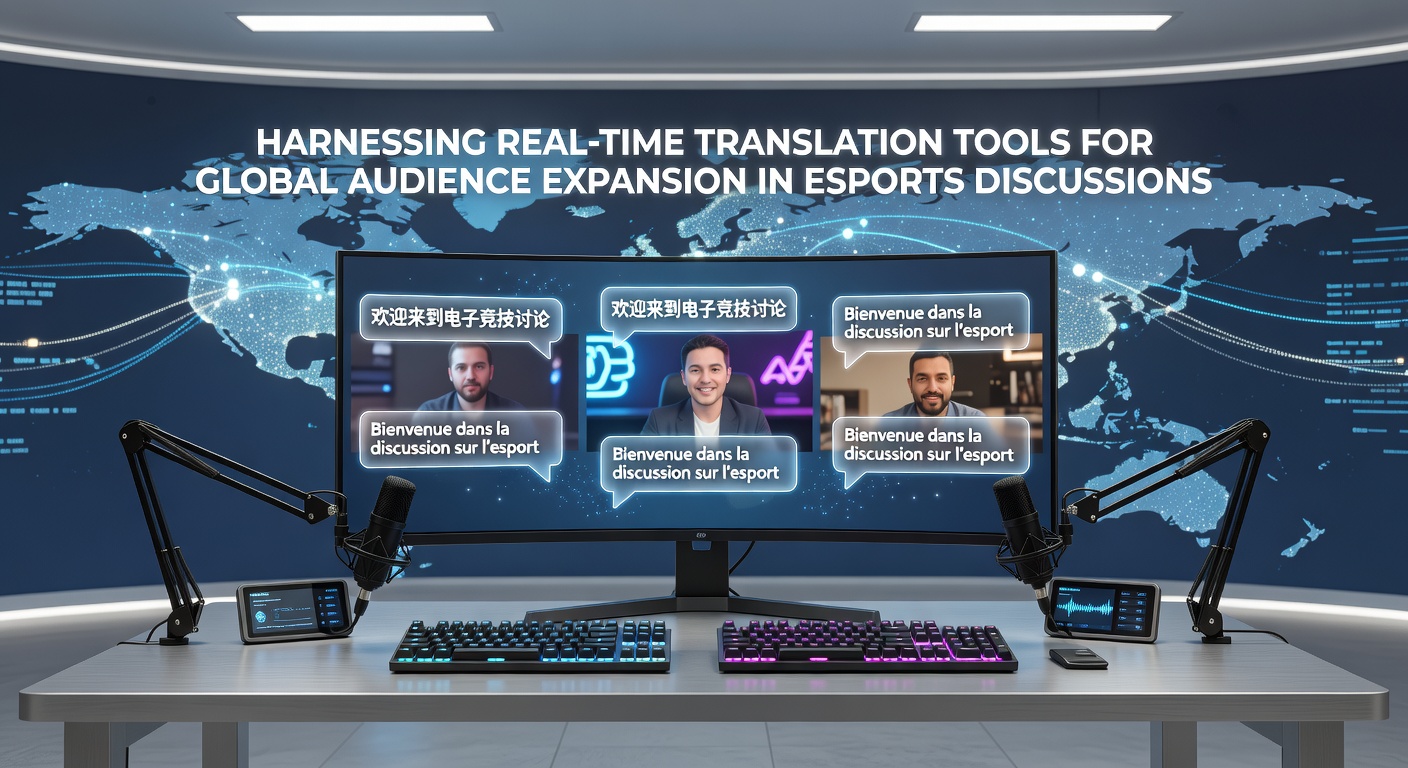
Real-time translation tools have become central to expanding esports viewership across language barriers, and data from industry reports shows their integration into live chats, voice communications, and subtitled streams allows organizers to reach audiences in regions where English dominates tournament commentary. According to figures released by the Entertainment Software Association in early 2025, global esports engagement grew by 18 percent year-over-year, with multilingual accessibility cited as a primary driver in markets such as Southeast Asia and Latin America. Platforms hosting competitive titles now embed automated translation layers directly into chat systems and broadcast graphics, which converts viewer messages from dozens of languages into readable text within seconds. This process relies on neural machine translation models trained on gaming terminology and slang, allowing accurate rendering of terms like "clutch" or "ult" that once confused non-native speakers. Observers note that during the 2025 League of Legends World Championship, chat participation from non-English regions increased substantially after organizers activated these features.
Core Technologies Powering Multilingual Esports Interactions
Several established services supply the underlying engines for these capabilities, and developers integrate them through APIs that process both text and speech inputs simultaneously. Google Cloud Translation and Microsoft Azure Cognitive Services handle the bulk of live captioning on major streaming platforms, while specialized esports overlays add context-aware adjustments for in-game jargon. Research published by the University of Tokyo's esports analytics group in late 2025 demonstrated that hybrid models combining statistical and neural approaches reduced mistranslation rates for competitive terminology by nearly 30 percent compared to earlier versions. These systems operate continuously during events, pulling from viewer comments on Twitch, YouTube, and regional platforms such as Bilibili or Naver, then displaying translated versions alongside original messages. The result keeps discussion threads active across time zones without requiring human moderators to translate each post manually.
Implementation Strategies at Major Tournaments
Tournament organizers apply these tools in layered formats that support both passive viewers and active participants. Subtitles appear beneath player cams and analyst desks, while separate chat modules translate incoming messages before they reach the main feed. During May 2026 events scheduled across Europe and North America, several production teams plan to test expanded voice-to-text pipelines that convert caster commentary into multiple languages for simultaneous subtitle streams. One production workflow used at the 2025 IEM Katowice finals routed all English commentary through a dedicated translation server before distribution, which allowed Spanish, Korean, and Portuguese audiences to follow analysis without separate broadcast teams. Data collected during those matches indicated concurrent viewer peaks rose when translated subtitles remained synchronized within two seconds of the original audio.
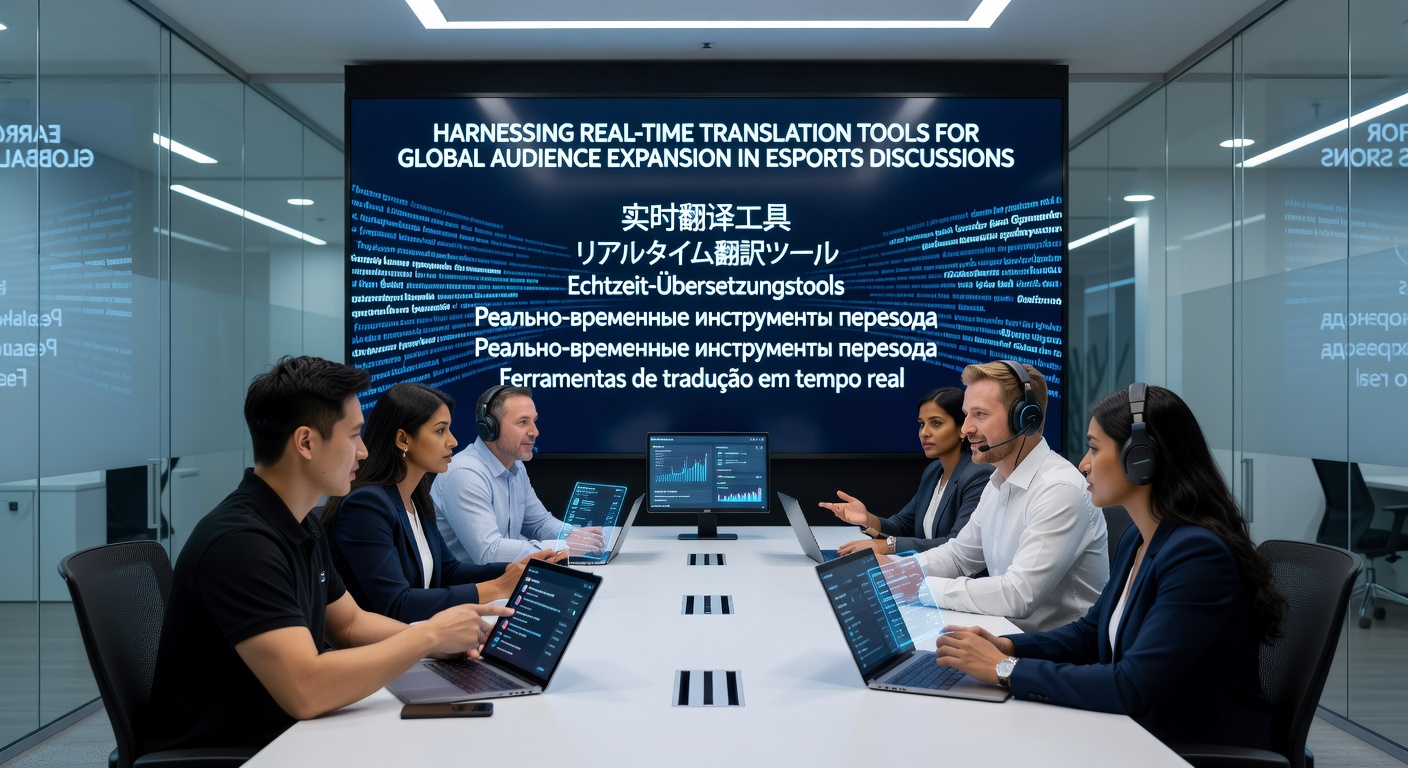
Community managers further extend reach by embedding translation widgets into Discord servers tied to official tournament accounts. These bots detect language automatically and provide instant replies, which keeps discussion threads cohesive even when participants join from different continents. Studies conducted by the European Games Developer Federation found that servers employing such bots retained international members at rates 22 percent higher than those relying solely on English.
Challenges and Technical Limitations
Despite steady improvements, real-time translation still encounters difficulties with rapidly evolving slang, regional dialects, and high-speed voice comms between players. Accents common in certain player bases can reduce speech recognition accuracy, forcing organizers to maintain fallback manual correction channels during critical matches. Accuracy metrics shared by platform providers show average error rates hovering between 8 and 12 percent for dense esports terminology, though ongoing model updates continue to narrow that gap. Bandwidth constraints in emerging markets also affect the delivery of translated subtitles, prompting some productions to offer text-only modes that consume less data. These adaptations help maintain accessibility without requiring viewers to upgrade connections solely for tournament coverage.
Future Developments Expected by 2026
Industry roadmaps indicate further refinement of context-aware models that learn from previous tournament transcripts, allowing more precise handling of player names, team abbreviations, and strategic calls. Integration with wearable translation earpieces for on-site international attendees represents another area under active testing, while cloud-based rendering pipelines aim to reduce latency below one second for subtitle display. As these capabilities mature, esports organizations anticipate measurable growth in participation from previously underrepresented language communities. Figures from the International Esports Federation point to continued expansion of multilingual tools as a standard production requirement rather than an optional feature.
Conclusion
Real-time translation systems now form an established part of global esports infrastructure, enabling broader discussion and viewership across linguistic boundaries through automated chat conversion, synchronized subtitles, and adaptive community tools. Continued refinement of underlying models alongside tournament-specific implementations supports sustained audience growth into 2026 and beyond.