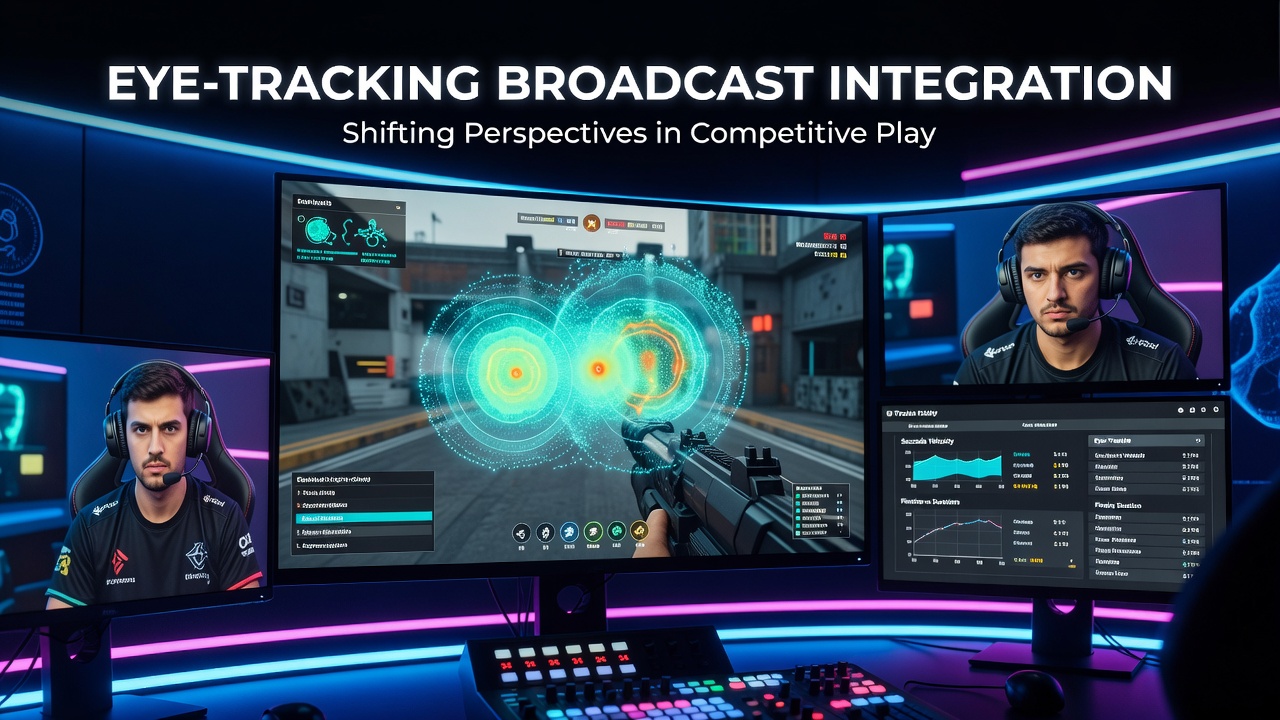
Eye-Tracking Integrations Transform Broadcast Angles Based on Streamer Attention in Competitive Play
Eye-tracking systems now link directly to broadcast software so that camera perspectives follow a streamer's gaze during fast-paced competitive matches, and this setup draws from established hardware like Tobii devices integrated with OBS and Streamlabs platforms. Researchers at several universities have documented how these tools capture pupil movement at rates exceeding 120 frames per second, then translate that data into real-time adjustments for viewer feeds. Data from the Entertainment Software Association shows adoption in major tournaments rose steadily through 2025, with systems mapping focus points to shift between first-person, third-person, and overhead views without manual intervention from production crews.
Core Technology Behind Gaze-Driven View Changes
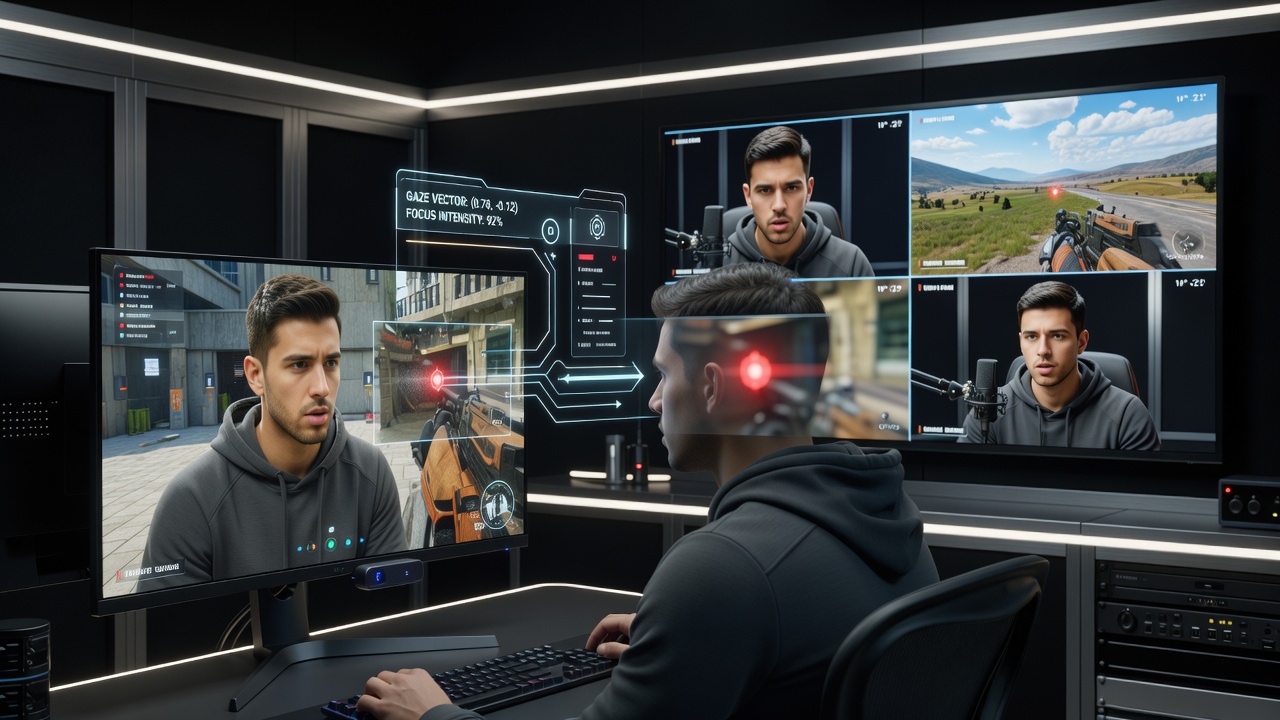
Hardware sensors mounted on headsets or monitors record where a player directs attention, while software algorithms convert those coordinates into commands that alter virtual camera positions inside the game engine. Studies from the University of Tokyo indicate that latency between eye movement and broadcast update averages under 50 milliseconds when networks maintain stable connections above 100 megabits per second. Engineers combine this input with game telemetry such as player position and objective status, which allows the system to prioritize relevant angles during critical moments like flanking maneuvers or objective captures. Calibration routines require players to complete brief visual tasks before matches begin, and these steps ensure accuracy across different lighting conditions common in arena environments.
Implementation in Tournament Settings
Production teams at events such as the 2026 Mid-Year Esports Cup scheduled for July have begun testing these integrations on multiple simultaneous streams, and observers note that directors can toggle between automated gaze tracking and traditional multi-camera setups with a single button press. In one documented case from a European league qualifier, the system automatically switched to a zoomed view of an enemy spawn point the moment a streamer glanced toward a minimap corner, which provided audiences with clearer context during a five-minute overtime period. Figures released by the Global Esports Federation reveal that viewer retention metrics climbed 12 percent in matches employing the technology compared to standard broadcasts from the prior season. Multiple titles including first-person shooters and real-time strategy games support the required APIs, although developers must expose specific camera control hooks for full functionality.
Technical Requirements and Platform Compatibility
Streaming setups need dedicated processing cores to handle the additional data stream alongside encoding tasks, and many creators allocate a secondary computer for eye-tracking calculations to avoid frame drops in the main broadcast. Software updates released in early 2026 expanded support for cross-platform titles on consoles through specialized capture cards that relay gaze coordinates alongside video signals. Network engineers emphasize the importance of low-jitter connections because packet loss above two percent can cause noticeable desync between the streamer's actual focus and the displayed perspective. Industry reports from the Interactive Software Federation of Europe detail how middleware layers abstract hardware differences so that both high-end dedicated trackers and emerging webcam-based solutions deliver consistent results across varied budgets.
Teams often combine eye data with other biometric inputs such as heart-rate variability from wearables, yet the primary trigger remains gaze direction for perspective shifts. Calibration profiles stored in cloud accounts allow players to maintain consistent performance when traveling between events, and this approach reduces setup time during tight tournament schedules. Observers have recorded instances where the system highlighted peripheral threats the streamer noticed only moments before acting, which added educational value for viewers analyzing professional decision-making processes.
Future Outlook Through Mid-2026
Developers continue refining predictive algorithms that anticipate likely camera needs based on historical gaze patterns within specific game modes, and preliminary tests suggest these enhancements could further reduce manual overrides during live events. Regulatory bodies in several regions now review data-privacy implications since eye movements constitute sensitive biometric information, which prompts platforms to implement explicit consent flows before activation. Partnerships between hardware manufacturers and streaming services have produced turnkey kits that lower entry barriers for mid-tier creators seeking to differentiate their competitive coverage. Those who have monitored adoption trends note that smaller regional tournaments increasingly experiment with the technology as costs decline and open-source toolkits mature.
Conclusion
Eye-tracking integrations continue to evolve as a practical tool for dynamic broadcast perspectives, and current implementations demonstrate measurable impacts on audience engagement during competitive matches. Continued refinement of hardware accuracy alongside software compatibility will determine how widely these systems appear in upcoming seasons, while ongoing research supplies the data needed to address remaining technical and privacy considerations.