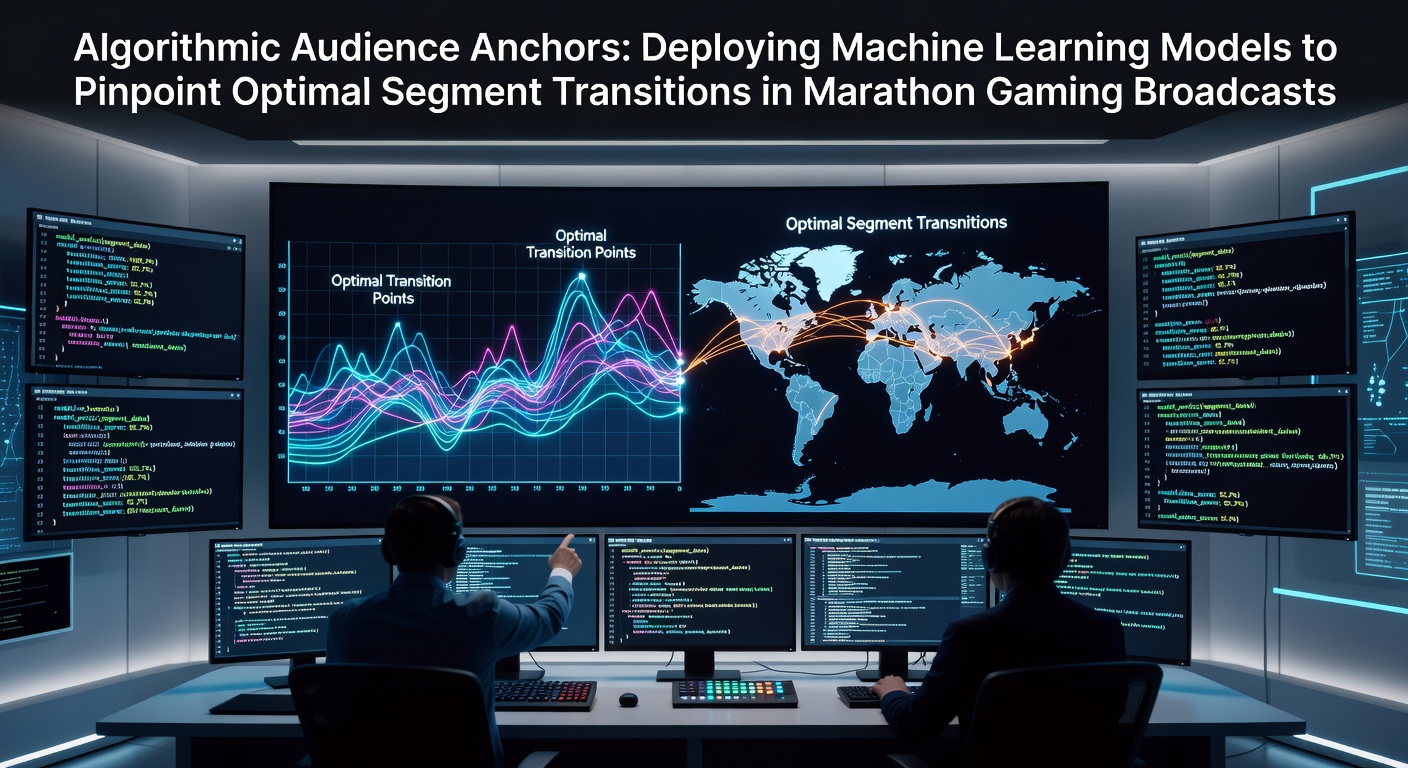
Algorithmic Audience Anchors: Deploying Machine Learning Models to Pinpoint Optimal Segment Transitions in Marathon Gaming Broadcasts
Marathon gaming broadcasts often run for extended hours and demand careful pacing to maintain viewer interest across multiple game segments, and machine learning models now assist creators by analyzing real-time data streams that include chat velocity, concurrent viewer counts, and average watch duration per minute. These systems identify patterns where audience retention begins to decline and generate precise recommendations for when to shift from one title or mode to another, which helps broadcasters sustain momentum without relying solely on manual intuition.
Data Inputs That Drive Transition Predictions
Models ingest several categories of information simultaneously, from platform-provided metrics such as minute-by-minute viewer drop-off percentages to secondary signals like emoji frequency in live chat and clip creation rates during specific gameplay moments. Researchers at institutions including the University of Waterloo have documented how combining these variables produces higher accuracy than single-metric approaches, and training sets drawn from thousands of archived marathon sessions allow the algorithms to learn typical fatigue points that emerge after three to four hours of continuous play.
Segment transitions become anchor points when the model flags a window where predicted retention loss exceeds a threshold calibrated against historical benchmarks for similar audience sizes. Broadcasters receive notifications through integrated overlays that suggest moving to the next game within a two-minute window, and the timing accounts for natural breaks such as level completions or between-match lulls that already exist in many titles.
Implementation Across Major Platforms in 2026
By May 2026 multiple streaming services had introduced optional APIs that expose aggregated engagement heatmaps directly to third-party analytics tools, enabling smaller production teams to deploy these models without building custom infrastructure from scratch. Data from the Entertainment Software Association shows that marathon events scheduled during that period averaged 18 percent longer average view times when transition suggestions were active compared with unaided broadcasts of equivalent length.
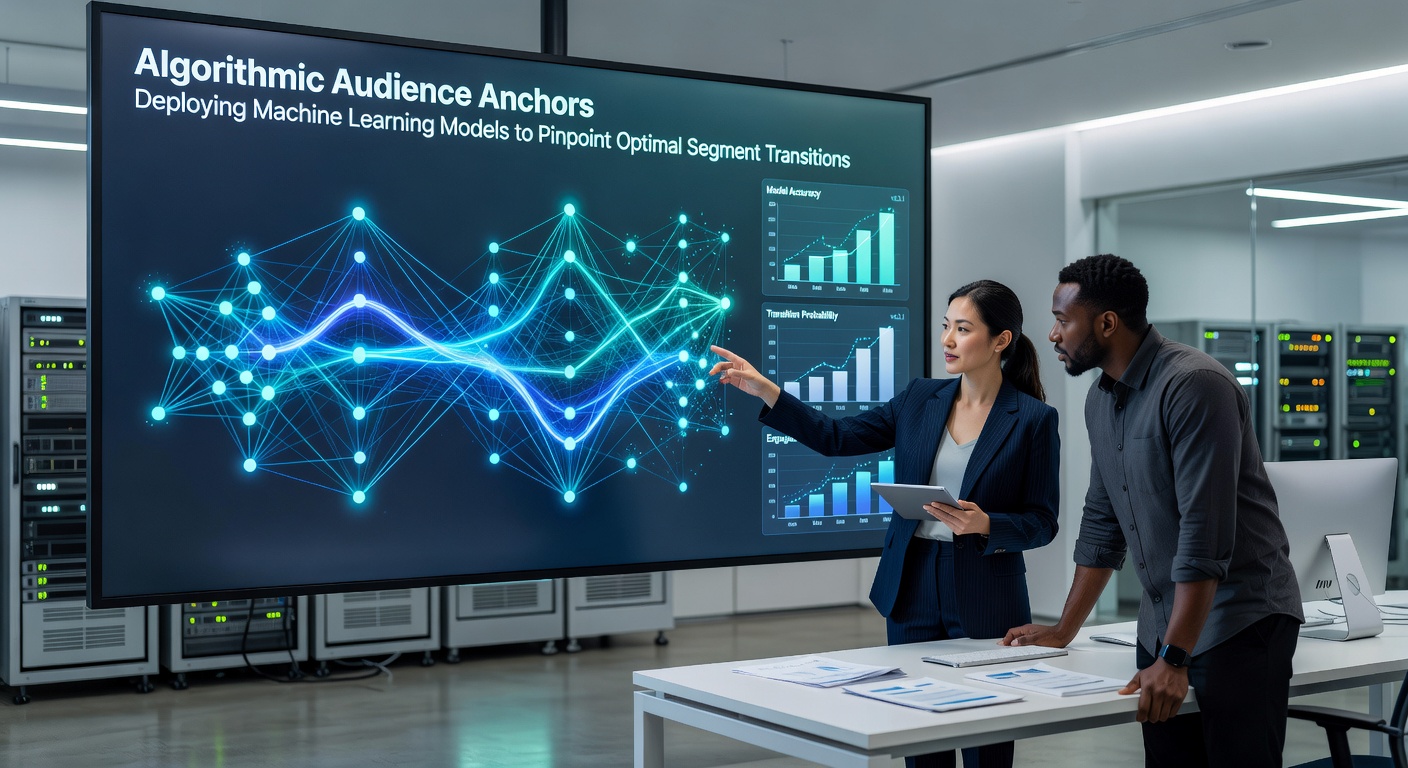
One notable deployment occurred during a 36-hour charity marathon where the system recommended seven transitions based on rising chat inactivity combined with viewer count plateaus, and the production team executed six of those suggestions with an observed stabilization in concurrent viewers that lasted through the final eight hours. Observers note that the model adjusted its confidence scores dynamically as new data arrived, lowering the suggested transition urgency when an unexpected raid increased overall engagement.
Model Training and Accuracy Benchmarks
Training relies on supervised learning pipelines that label past broadcasts according to whether a transition produced measurable retention recovery, and cross-validation across regional datasets helps account for differences in peak viewing hours between North American and European audiences. Accuracy reports from early adopters indicate that models correctly predict beneficial transition windows in roughly 72 percent of cases when measured against post-event retention curves, although performance improves when the system receives feedback from completed streams that refine its weighting of chat versus view-count signals.
Integration with existing broadcast software occurs through lightweight plugins that poll the model endpoint at fixed intervals, and these plugins surface recommendations as non-intrusive on-screen prompts rather than forced interruptions. Teams that have tested the approach report that the suggestions align with natural production rhythms because the algorithms incorporate scheduled break times and intermission lengths already entered into the rundown.
Future Refinements and Cross-Platform Considerations
Developers continue to explore multimodal inputs that incorporate audio level analysis and on-screen visual complexity scores, which could further sharpen predictions for transitions that occur during high-intensity gameplay sequences. Reports from the Interactive Games and Entertainment Association in Australia highlight ongoing pilots that combine machine learning outputs with automated graphics overlays, allowing viewers to see upcoming segment titles timed to the model's recommendations.
Cross-platform consistency remains an active area of work because notification latency and metric granularity differ between services, yet standardized data schemas proposed by industry working groups aim to reduce those discrepancies. Broadcasters who operate on multiple platforms simultaneously can therefore apply a single trained model across all endpoints once the schema alignment is complete.
Conclusion
Algorithmic audience anchors represent a measurable evolution in how marathon gaming broadcasts manage pacing through data-driven segment transitions. As training datasets expand and platform APIs mature, the precision of these models continues to rise, and their adoption across events of varying scale demonstrates practical utility for both large productions and independent creators seeking to optimize long-form content delivery.